
No products
Prices are tax included


UV Water Sterilizers
- 179,00 € tax incl. 22In Stock
25 Watt UVC sterilisation destroys micro-organisms in the water.
- New AMALGAM UVC LAMP
- Denser, more effective light - long life - up to 16,000 hours - 2 years!
This stainless steel system, to be connected to your filtration system, is perfectly suited to borehole water, wells or rainwater tanks. - 219,00 € tax incl. 22In Stock
55 Watt UVC sterilisation destroys micro-organisms in the water.
- New AMALGAM UVC LAMP
- Denser, more effective light - long life - up to 16,000 hours - 2 years!
This stainless steel system, to be connected to your filtration system, is perfectly suited to borehole water, wells or rainwater tanks. - 34,80 € tax incl. 29In Stock
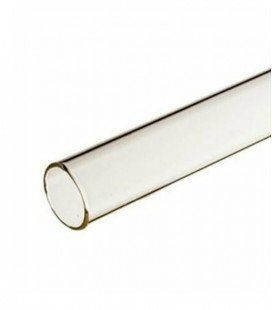
Quartz for 25 Watt UVC Steriliser
- Silica glass tube.
This is a high quality type of glass composed almost exclusively of pure silica. - 49,20 € tax incl. 19In Stock
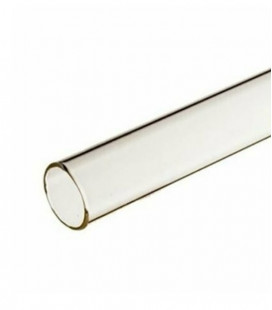
Quartz for 55 Watt UVC Steriliser
- Silica glass tube.
This is a high quality type of glass composed almost exclusively of pure silica. - 1,20 € tax incl. 18In Stock
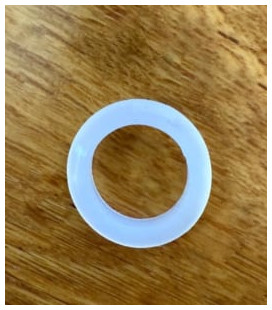
1 silicone gasket
Provide a tight seal between the quartz tube and the stainless steel reactor. - 34,80 € tax incl. Out of stockOut of stock
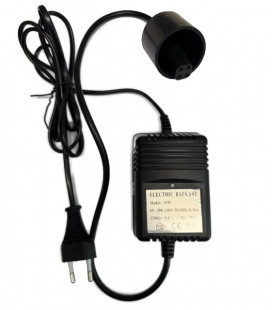
Electronic control unit specific to the UVc steriliser
It allows a UVc lamp to operate continuously.
It is equipped with a red or green LED that lights up depending on the status of the lamp. - 30,00 € tax incl. 8In Stock
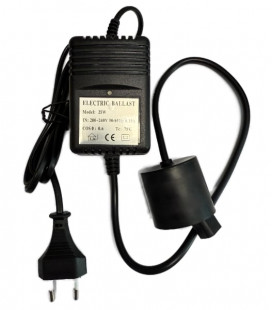
Electronic control unit specific to the UVc steriliser
It allows a UVc lamp to operate continuously.
It is equipped with a red or green LED that lights up depending on the status of the lamp. - 48,00 € tax incl. 35In Stock
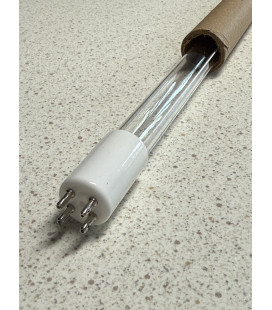
55 watt amalgam UVC lamp - for UVC sterilizers
- Long life 16000 hours
- type GPH910T5L
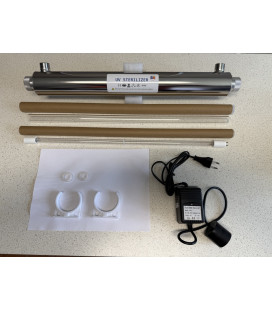
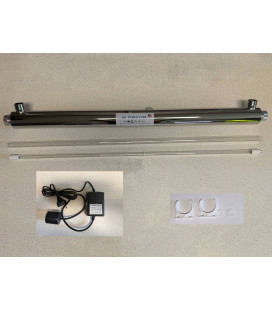
A UV-C sterilizer is installed at the end of the treatment line to act on micro-organisms sensitive to ultraviolet light present in the water. It complements a filtration system without adding chemicals to the water.
What is a UV water sterilizer used for?
UV-C radiation acts as the water passes through the treatment chamber. It can inactivate micro-organisms sensitive to ultraviolet light when a sufficient UV dose is delivered.
UV treatment does not require chlorine or another disinfectant to be added. However, it is not designed to retain particles, metals, pesticides or dissolved substances.
25 W or 55 W: choose according to flow rate
Power alone is not enough to select a UV sterilizer. The key criterion is the maximum flow rate actually required by the installation: the faster the water flows, the shorter its exposure time to UV radiation.
Our 25 W model is rated up to approximately 1.30 m³/h for its most demanding reference treatment level. It is suitable for installations with moderate simultaneous water demand.
Our 55 W model is rated up to approximately 2.18 m³/h for the same reference treatment level. It is better suited to installations requiring a higher flow rate.
Where should the UV sterilizer be installed?
For rainwater, spring, borehole or well water, treatment generally starts with pre-filtration, followed by finer filtration adapted to the water quality. The UV unit is installed downstream of these stages.
Hard water: protect the quartz sleeve too
When water is very hard, deposits can gradually build up on the quartz sleeve separating the UV lamp from the water. This can reduce UV transmission. When anti-limescale treatment is required, it is therefore preferable to install it before the UV sterilizer.
Maintenance: lamp, quartz sleeve and seals
The current models use amalgam lamps rated for an operating life of up to approximately 16,000 hours. The lamp remains a consumable part and must be replaced when its service life is reached.
The quartz sleeve must remain clean to allow UV radiation to pass through correctly. During maintenance, check its condition and clean or replace it if necessary.
The seals ensure watertightness around the quartz sleeve. The ballast powers the lamp and enables its operation to be monitored. These parts are available separately for system maintenance.
Clear water is not necessarily suitable for every use. For borehole, well, spring or harvested rainwater, analysis helps identify the parameters that need treatment and determine whether additional treatment is required before the UV stage.