
No products
Prices are tax included
Water softeners: why salt-based models are no longer the obvious solution
Reducing limescale, protecting equipment and improving everyday comfort does not necessarily mean choosing a salt-based water softener. Between environmental impact, maintenance, added sodium and salt-free alternatives, it is useful to compare solutions carefully.
When looking for a water softener, we often think that it is the logical solution as soon as the water is hard. However, the subject deserves a more nuanced analysis. Hard water is primarily a problem of deposits in pipes, heating elements, hot water tanks and certain household appliances.
Before choosing a water softener, it is important to distinguish between two very different objectives: limiting limescale and improving the quality of drinking water. These are not the same thing. A salt softener is not a universal filter: it treats the hardness of the water, not all the parameters that can influence its taste, smell or the presence of other substances.
What a salt water softener actually does
A resin water softener works by ion exchange. It removes some of the calcium and magnesium responsible for hardness, then replaces them with sodium or potassium. This process is effective in reducing limescale deposits and improving certain domestic uses, particularly on equipment sensitive to limescale.
However, it is important to avoid a very common misconception: a water softener does not automatically improve drinking water. Its main purpose is not to filter out chlorine, pesticides, micropollutants or other compounds that may be present in the water supply. Other treatment systems are usually considered for these purposes.
Why salt softeners are no longer the obvious solution
The first point to remember is that water from a salt softener is enriched with sodium. This enrichment does not mean that all softened water is unfit for consumption, but it does show that sodium softening is not the most appropriate solution when the primary goal is to obtain drinking water that is as neutral as possible.
The second point is maintenance. Resin softeners require regular regeneration, the use of salt, operational monitoring and proper maintenance. They also involve disinfection, disposal of regeneration effluent and can increase water consumption.
The third point concerns the environmental impact. Cation exchange softeners consume water during their regeneration cycles and discharge sodium and chlorides into wastewater, which can complicate certain water quality or local discharge management objectives.
The fourth point is often underestimated: a salt softener alone does not solve all the problems associated with domestic water. Tight skin, dry hair and irritation are not solely caused by limescale. A thorough analysis must also distinguish between issues relating to limescale, filtration and other characteristics of the water supply.
What French public sources say
French public recommendations urge people to take a more cautious approach to water softeners. Several documents point out that it is preferable to reserve softening for certain uses and not to confuse limescale control with overall improvement of drinking water.
Salt-free alternatives: what are we really talking about?
Faced with the limitations of salt-based water softeners, more and more households are turning their attention to salt-free anti-limescale systems, which use catalytic, electrolytic, magnetic, electromagnetic, electrical or electrostatic processes.
It must be made clear that these solutions do not remove calcium and magnesium from the water in the same way as a resin softener. Their logic is different. Instead, they seek to change the way minerals crystallise, making deposits less adhesive, more powdery or easier to remove before they become firmly encrusted on surfaces.
The results observed depend heavily on the flow rate, temperature, pH, water mineralisation, pipe diameter, turbulence and, above all, the quality of installation.
Focus on electrostatic anti-scale devices and the SUPRION case
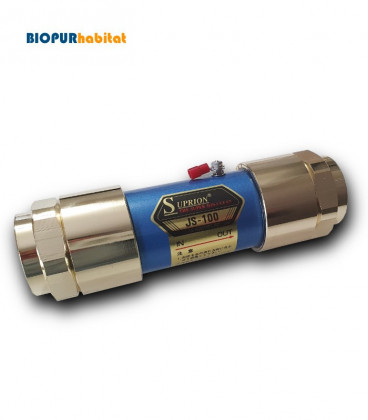
Among the alternatives to salt water softeners, electrostatic anti-scale devices are attracting growing interest. They do not work by filtering the water or chemically removing minerals, but by altering the way they behave and crystallise, thereby limiting limescale build-up on surfaces and equipment.
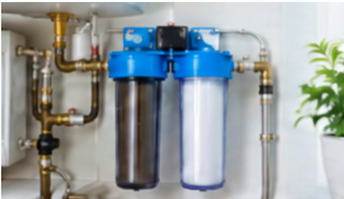
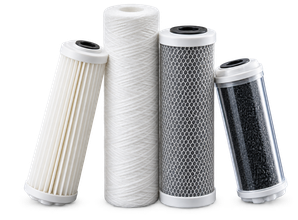
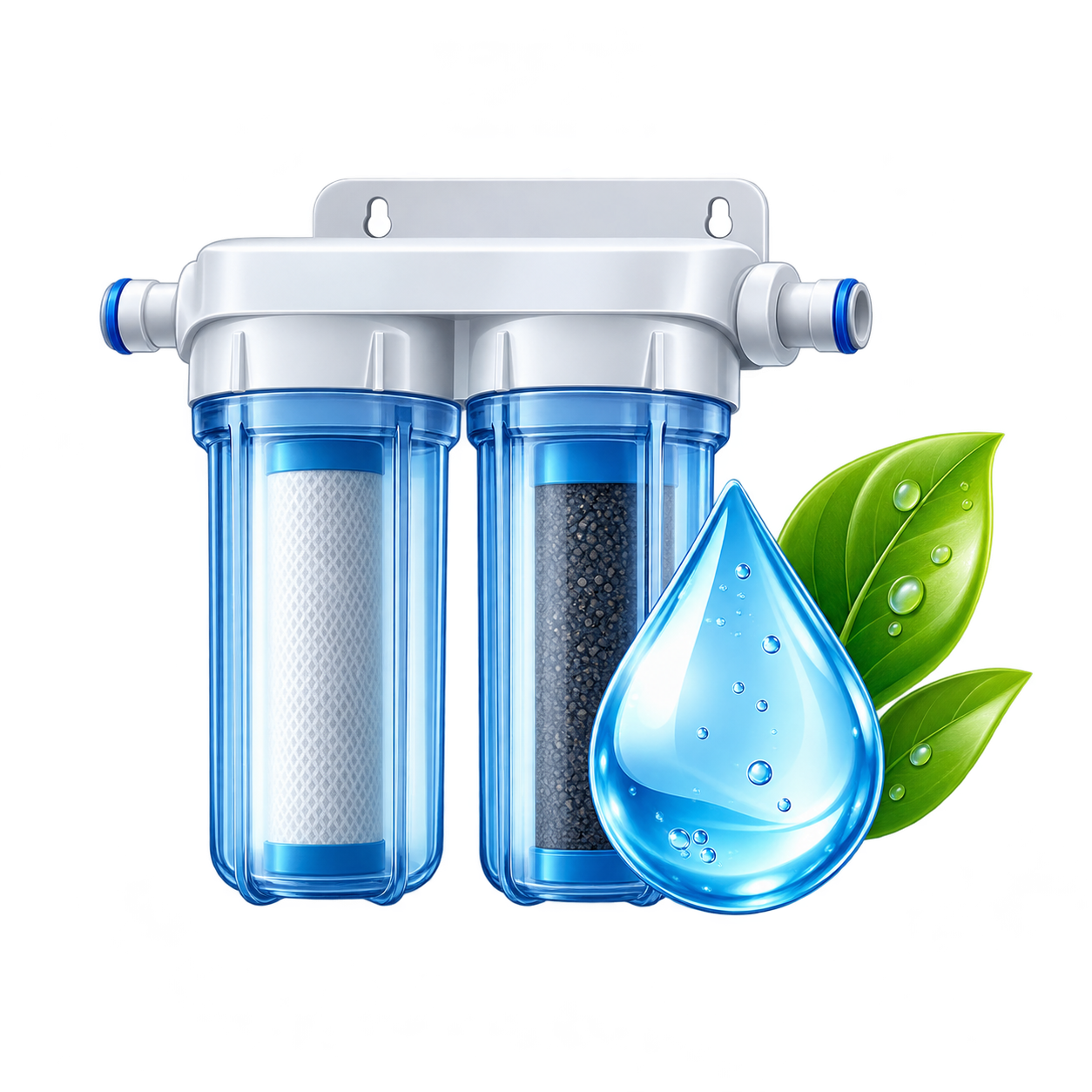
It is therefore essential to distinguish between two complementary functions: filtration, which aims to retain certain particles, odours or compounds depending on the cartridges used, and anti-limescale, which primarily seeks to reduce the effects of limescale in domestic installations.
In the case of SUPRION, the treatment principle is based on a salt-free anti-scale system, which differs from how a resin softener works. This approach therefore does not replace dedicated filtration when a household also wishes to address other comfort parameters. For this reason, a coherent installation may combine, as needed, sediment pre-filtration, activated carbon or other add-ons that meet objectives other than those of an anti-scale system.
The right result also depends heavily on the quality of installation: choosing the right model based on flow rate and diameter, observing the IN/OUT direction, maintaining the correct distances from bends, the installation environment, pipe materials and the recommended use of pre-filtration in certain configurations.
A properly sized and installed physical anti-scale system is not only evaluated on the instant disappearance of all visible traces, but also on the reduction of encrustation, ease of cleaning, and long-term protection of equipment.
Salt-free water softener or anti-limescale device: how to decide?
So the real question is not simply: do we need a water softener?
The right question is rather: what problem exactly do we want to solve?
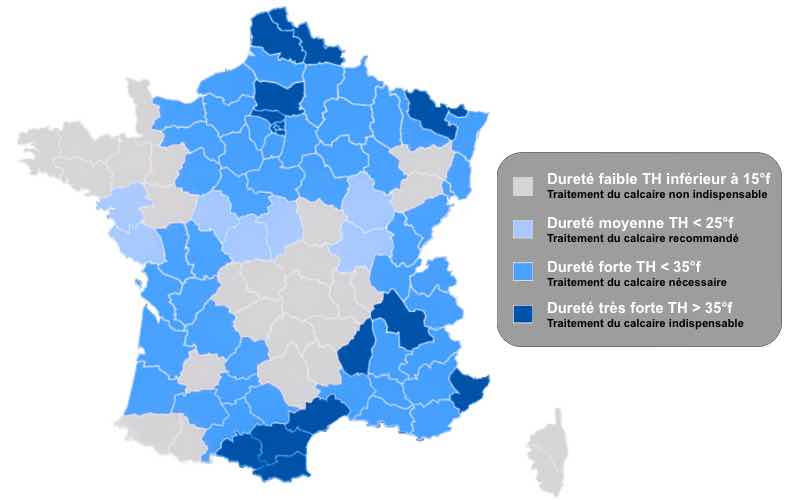
If the main problem is protecting a water heater, heating element, tap or pipe system exposed to limescale, a salt-free solution may be appropriate, especially if you want to avoid sodium, heavy maintenance and waste associated with regeneration. If, on the other hand, the objective is to improve the quality of drinking water, other treatments suited to this specific use should be considered.
It should also be remembered that a good anti-scale system is not only evaluated on the basis of immediate "zero visible deposits", but also on the basis of reduced adhesion, ease of cleaning, protection of appliances and stability of results over time.
Comfort restored to everyday life
Beyond technical data, feedback also helps to shed light on the concrete effects of a well-designed installation. In homes with very hard water, the aim is not always to remove all visible traces instantly, but to reduce limescale build-up, facilitate maintenance and improve everyday comfort.
“Six months after installing a sediment filter, a carbon filter, an electrostatic anti-limescale system and a filter on the washing machine, I am very satisfied with the results. The laundry no longer feels stiff after washing, even without fabric softener. Limescale marks in the kitchen or bathroom can be removed without scrubbing, with just a quick wipe of a cloth. My skin doesn't feel tight after showering. The tap water has no odour. The device is compact and easy to install. My problem was very hard water at 37 °F."
— Laura Bourhis
This testimony clearly illustrates the difference between filtration and anti-limescale treatment: the two approaches do not have the same function, but can be complementary in a coherent installation. It also shows that, in practice, user satisfaction is often based on several concrete criteria: more pleasant laundry, fewer stains, easier cleaning and greater comfort in everyday use.

Conclusion
Today, presenting the salt water softener as the obvious solution in all cases is no longer really justified. Yes, it remains effective against limescale. But it also comes with sodium enrichment, water consumption, regular maintenance and salt discharge that need to be taken seriously.
Conversely, salt-free anti-limescale solutions, particularly electrostatic ones, appear to be credible alternatives when the primary aim is to manage limescale without significantly altering the composition of the water. They should not be presented as miracle solutions, but as technologies whose usefulness depends on the context, correct sizing and rigorous installation. For many households, the most balanced approach is to treat limescale without confusing anti-scale and filtration.
FAQ
Is a water softener a filter?
No. A salt softener primarily treats water hardness through ion exchange. It does not replace a system designed to filter other contaminants.
Can you drink water from a water softener?
Softened water is generally still drinkable, but it is enriched with sodium. It is therefore useful to clearly distinguish between technical uses related to limescale and food uses.
Are electrostatic anti-limescale devices effective?
They can be, but their effectiveness depends heavily on the actual conditions of use and the quality of installation. Proper sizing and careful installation are essential.
Useful sources
- ANSES – Unconventional anti-scale processes
- ANSES – Report on anti-scale processes
- Eaufrance – Tap water quality in France
- EPA – Cation Exchange Water Softeners
- EPA – Guide to Selecting Home Water Treatment Systems
- ARS Nouvelle-Aquitaine – Environmental Health Barometer
- Water – Study on electromagnetic treatment and crystallisation
- npj Clean Water – Critical review of electromagnetic anti-scale treatments
- SUPRION – Technical documentation from the manufacturer
Leave a CommentLeave a Reply
Blog archives
Blog categories
Latest Comments

BIOPUR habitat
on How to get rid of the limestone !!!
BIOPUR habitat
on Water Softener and Limescale Remover Part 3,...
BIOPUR habitat
on Which water flow rate depends on the pipe diameter
BIOPUR habitat
on Water softener or anti-limescale filter: what...










 English
  Français
  Deutsch
  Italiano
  Español
  Belgique