MAGNETIC ANTI-LIMESCALE SELECTION GUIDE
Reading time: about 6 min
Which model should you choose for your installation?
Choosing a magnetic anti-limescale device does not depend solely on its power in Gauss. You should also consider the water flow rate, pipe diameter, the number of water outlets that may be used at the same time and the part of the installation you want to protect.
Key point
The number of Gauss indicates the measured magnetic field intensity, but it should not be used as the only selection criterion. Pipe diameter, flow rate, magnet size and arrangement, as well as the area to be protected, are also important factors.
More Gauss does not therefore automatically mean greater effectiveness: the power should above all be suited to the installation.
How does a magnetic anti-limescale device work?
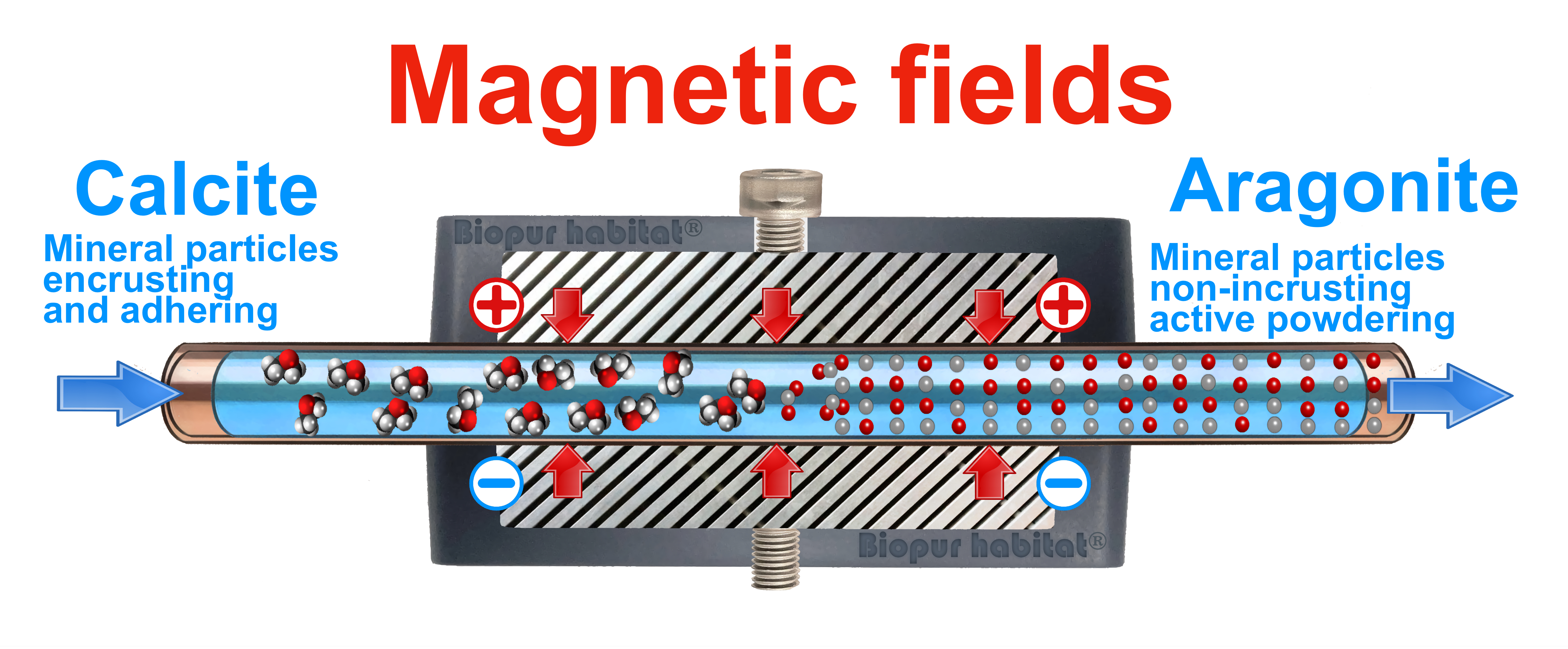
A magnetic anti-limescale device uses permanent magnets positioned around the pipe. As the water flows through the treatment area, it passes through the magnetic field created by the device.
Calcium and magnesium are not removed from the water. The intended principle is to influence the way the minerals crystallise in order to favour less adherent crystalline forms, including aragonite, rather than compact, strongly adhering deposits.
These microcrystals tend to remain suspended in the water and to be carried away with the flow. Unlike strongly adhering scale, they are less likely to build up together and adhere to surfaces.
The formation of limescale deposits can be compared with the gradual formation of a stalactite: crystals accumulate and interlock, allowing the deposit to become thicker. The aim of magnetic treatment is precisely to limit this process of adhesion and accumulation.
Good to know
A magnetic anti-limescale device is not a resin water softener: it does not remove the minerals responsible for water hardness. Calcium and magnesium therefore remain present in the water.
Where should a magnetic anti-limescale device be installed?
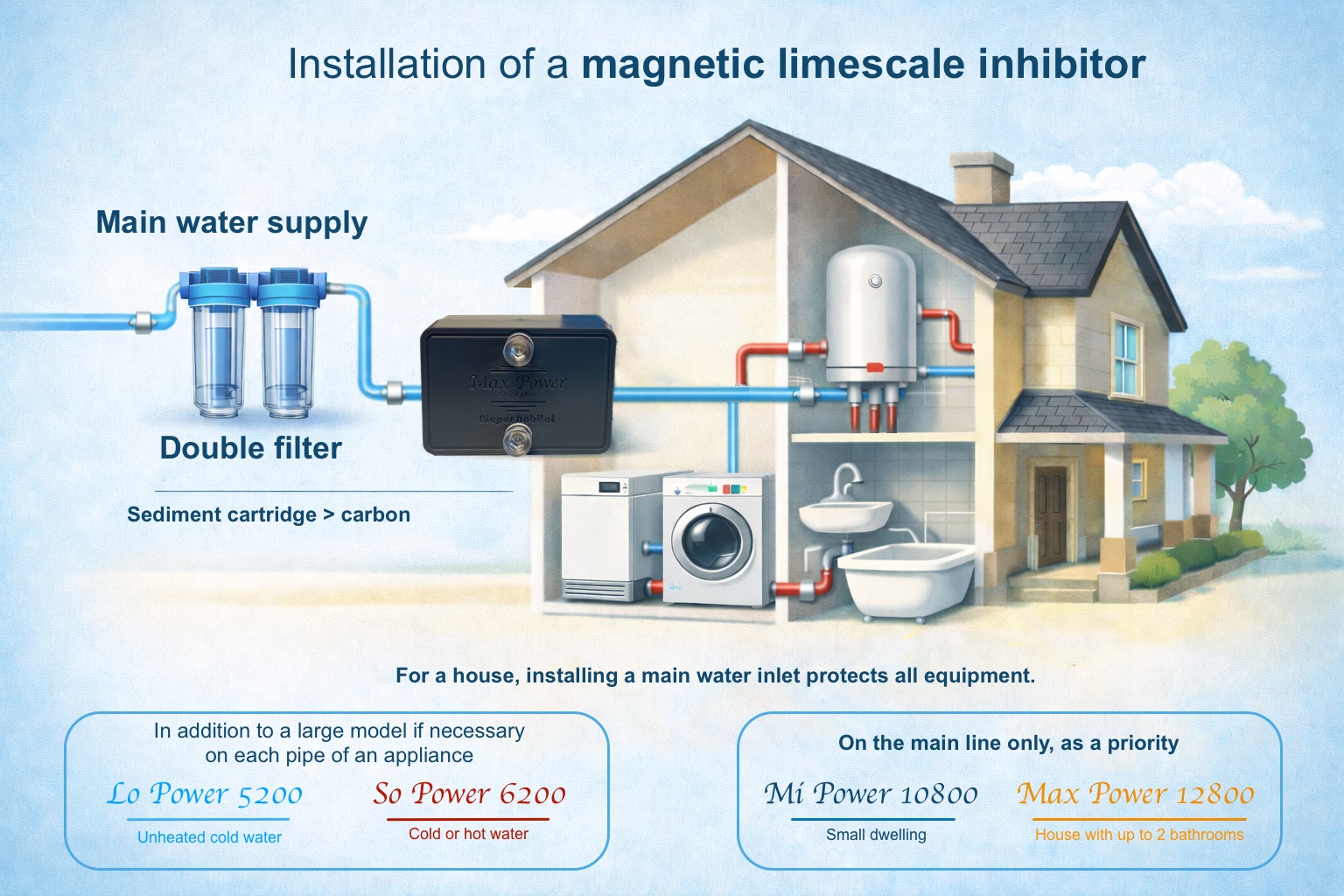
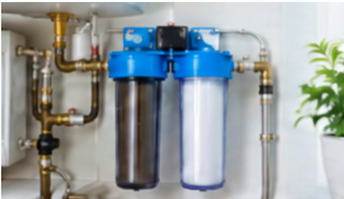
When the aim is to protect a complete installation, the main anti-limescale device is generally fitted on the main water supply, ideally after a filter, so that the treated water is then distributed to the different appliances and outlets in the home.
Smaller models are instead intended for targeted treatment on a specific part of the installation. The Lo Power 5,200 Gauss is intended for cold-water installation only.
Magnetic anti-limescale device alone or with filtration?
Magnetic anti-limescale treatment and filtration perform two different, but highly complementary, functions.
The anti-limescale device acts on the water passing through its magnetic field in order to influence the crystallisation conditions of calcium carbonate and limit the formation of strongly adhering deposits in the installation.
However, some scale may already have formed upstream, inside the water distribution network. Over time, small fragments of scale can break away from these pipes and be carried by the water flow into your home.
As these particles are already solid when they reach the anti-limescale device, the device cannot make them disappear. They may then end up in tap aerators, household appliances or other equipment.
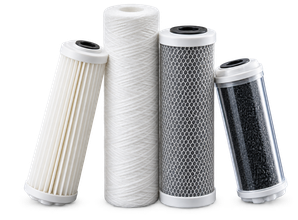
This is where filtration installed before the anti-limescale device is particularly useful: it provides a physical barrier capable of retaining these fragments of scale, as well as sediment, particles, sand, rust and other suspended matter present in the water.
Two complementary treatments
The filter retains particles already present in the water, while the anti-limescale device acts on the water continuing through the installation.
Water supply → Filtration → Anti-limescale → Home installation
Prefer a magnetic anti-limescale device with filtration?
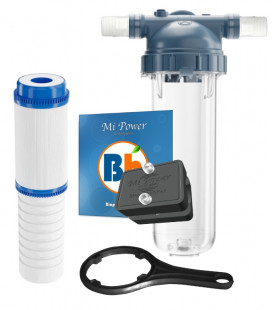
These two solutions combine a magnetic anti-limescale device with filtration suited to the installation. You can go directly to the pack corresponding to your home.
Which magnetic anti-limescale device should you choose?
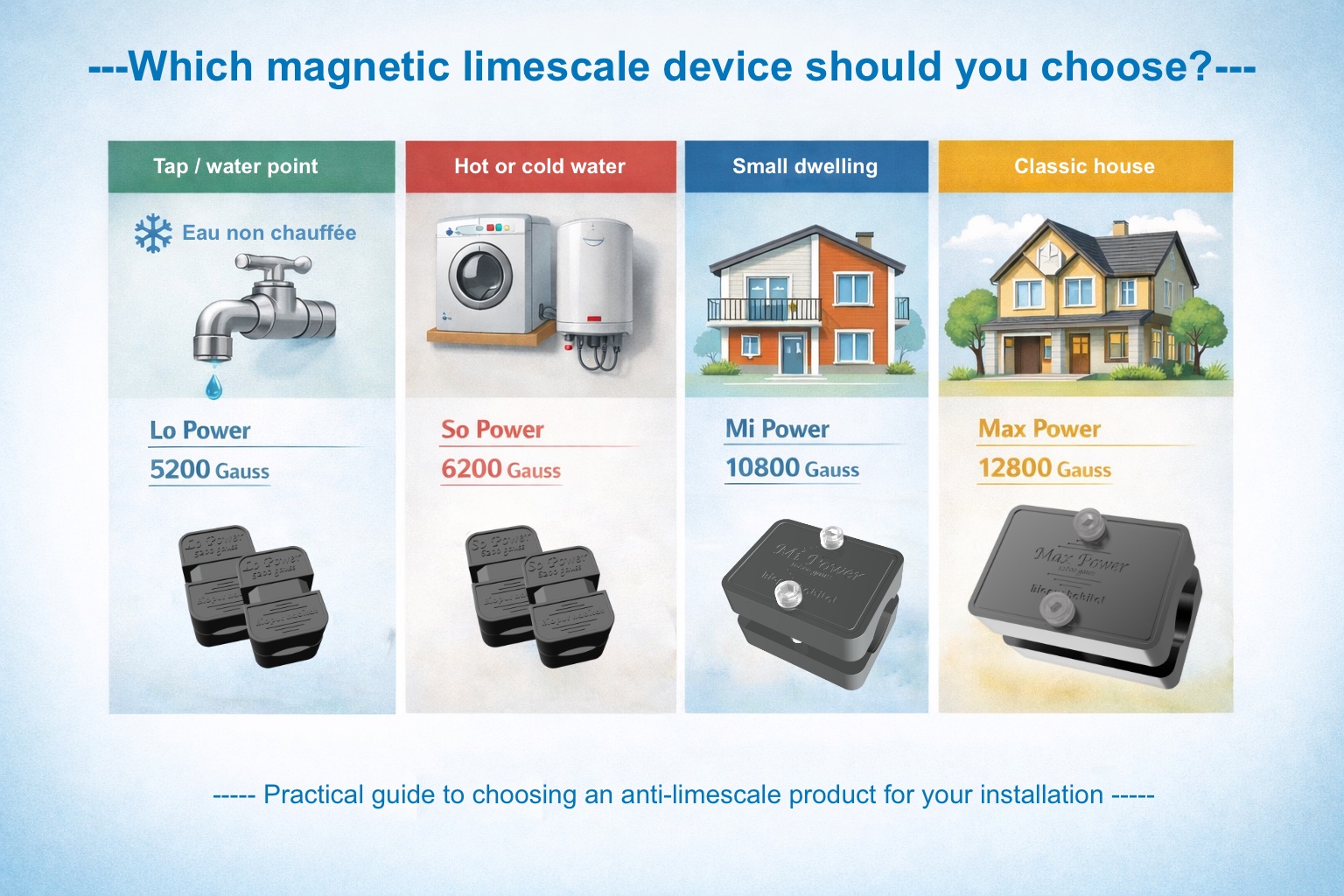
Biopur Habitat offers several power levels to suit different types of installation. The aim is not to automatically choose the model displaying the highest number of Gauss, but the one that genuinely matches the intended use, pipe diameter and required flow rate.
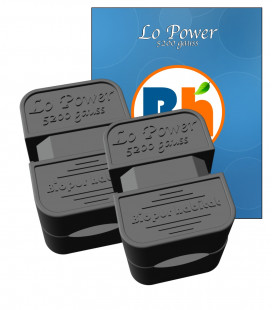
Lo Power – 5,200 Gauss
For targeted cold-water treatment
Lo Power is designed for a small pipe or a targeted water outlet. It should only be installed on a cold-water pipe.
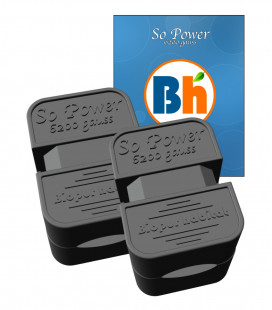
View Lo Power → So Power – 6,200 Gauss
For a targeted pipe or appliance
So Power is suitable when you want to protect a specific part of the installation or a particular appliance.
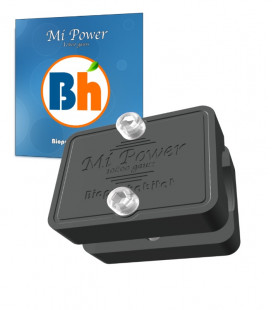
View So Power → Mi Power – 10,800 Gauss
Apartment and small home
Mi Power is particularly suitable for compact installations with a moderate flow rate and relatively few water outlets used simultaneously.
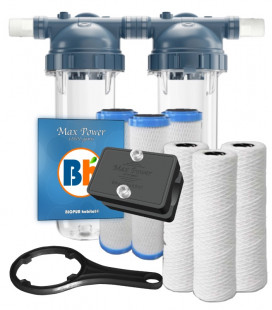
View Mi Power → Max Power – 12,800 Gauss
Home and main installation
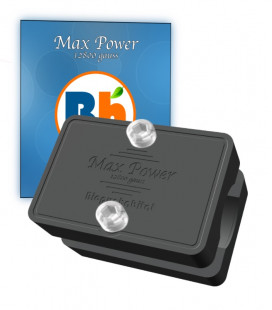
Max Power is designed for main installations requiring a higher flow rate and capable of supplying several water outlets.
View Max Power → Not sure magnetic treatment is the most suitable solution?
Compare the different anti-limescale technologies and choose the one best suited to your water and installation.
Compare anti-limescale solutions → FAQ – Which magnetic anti-limescale device should you choose?
Which magnetic anti-limescale device should I choose for a house?
Choose a model suited to the main pipe, its diameter and the installation's flow rate. The Max Power 12,800 Gauss is designed for larger domestic requirements, but the choice should always take the actual configuration of the home into account.
Which model should I choose for an apartment?
For an apartment or small home with a moderate flow rate, the Mi Power 10,800 Gauss is generally the model in the range intended for main treatment of this type of installation.
Is the model with the most Gauss necessarily the best?
No. A higher value in Gauss does not automatically mean that a device will be more effective on every installation. The value expressed in Gauss indicates the magnetic field intensity measured at a given point; on its own, it does not represent the overall capability of the device.
Magnet size, magnet arrangement, pipe diameter and water flow rate should also be taken into account. A small magnet showing a high Gauss value may therefore act over a smaller area than a larger magnet with a lower Gauss value.
The right approach is therefore to select a power level suited to the installation, rather than simply choosing the highest Gauss figure.
Does a magnetic anti-limescale device remove calcium from the water?
No. It removes neither calcium nor magnesium from the water. Its operating principle is therefore different from that of a resin water softener.
Why install a filter before the anti-limescale device?
The filter provides a physical barrier against particles already present in the water: sediment, sand, rust and also fragments of scale that may have broken away from upstream distribution pipes.
It therefore complements the action of the anti-limescale device, which acts on the water passing through it but cannot make already-formed pieces of scale disappear.
Can a magnetic anti-limescale device be fitted to copper, PEX or multilayer pipe?
Yes. Magnetic anti-limescale devices can be installed on the vast majority of domestic pipework: copper, PEX/PER, multilayer and other non-ferromagnetic materials.
The main exception is iron or strongly ferromagnetic steel pipework, which is now relatively uncommon in modern domestic installations. This type of metal can interfere with the magnetic field created around the pipe.
A very simple test removes any doubt: if a magnet sticks strongly directly to the pipe, it is preferable not to install the magnetic anti-limescale device on that section.
Can a magnetic anti-limescale device be installed near a water heater or electronic appliance?
Yes. The anti-limescale device can be installed close to a water heater, boiler or electrical equipment normally found in a domestic installation.
The useful magnetic field is mainly concentrated between the magnets, around the pipe passing through the device. The residual field around the device decreases very rapidly with distance.
Under normal installation conditions, having a water heater or electronic equipment a few centimetres away therefore does not present any particular problem.
Do neodymium magnets lose their effectiveness after a few years?
Neodymium magnets are permanent magnets with a high magnetic energy density. Under normal operating conditions, their natural loss of magnetism is extremely slow. They therefore do not simply become ineffective after 5 or 10 years.
Their magnetism can, however, be affected by abnormal conditions, including excessive heat, significant corrosion or exposure to a sufficiently powerful opposing magnetic field. In a normal domestic installation, they can retain their properties for several decades.













 English
  Français
  Deutsch
  Italiano
  Español
  Belgium